

What can I see in Malta?
From dreamy beaches to fascinating historical sites, Malta has it all.
Places to Visit
The best beaches
Blue Lagoon (Comino)
Comino Island, between Malta and Gozo.
Malta’s most famous beach, known for its crystal-clear turquoise waters and white sand. It is perfect for swimming, snorkelling and boat trips. It is usually very crowded.
Golden Bay
Manikata, northwest coast.
It stands out for its golden sand and spectacular sunsets. It has restaurants, sunbed rentals and a wide range of water activities.


Mellieħa Bay (Għadira Bay)
Mellieħa, northern Malta.
It is the largest sandy beach in Malta and one of the most popular among families and tourists. Its calm, shallow waters make it ideal for swimming, paddleboarding, kayaking and other water sports. It has restaurants, cafés, showers, sunbed rentals and easy access by public transport.
Armier Bay
Marfa, at the northern tip of Malta, facing the islands of Comino and Gozo.
The Armier Bay beaches offer a peaceful atmosphere. It is a perfect place to relax, snorkel and enjoy panoramic views towards Comino. It is also very popular with people who enjoy water sports and boat trips.

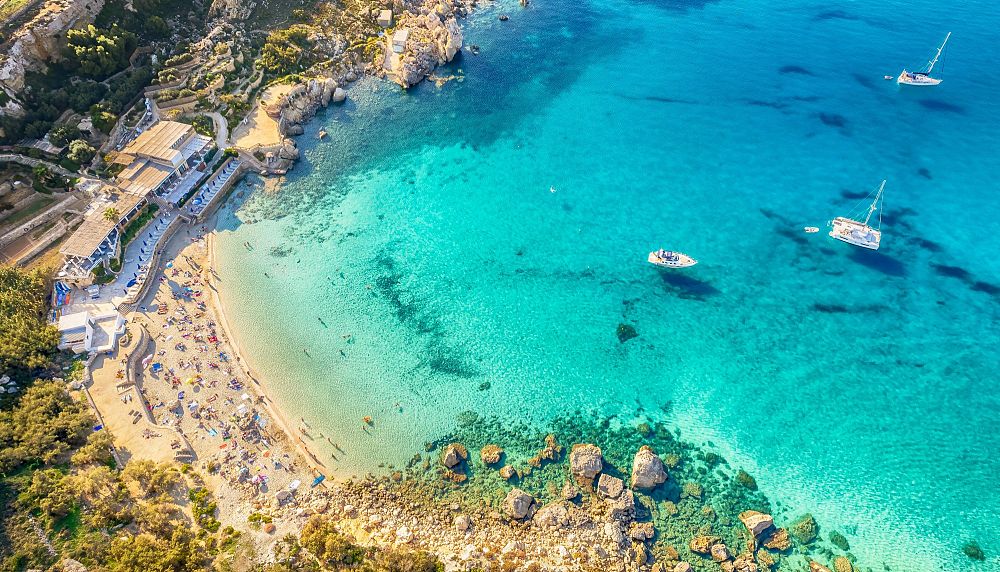
Paradise Bay
Ċirkewwa, northern tip.
A small bay with clear waters and excellent conditions for snorkelling. From here you can enjoy exceptional views towards the islands of Comino and Gozo.
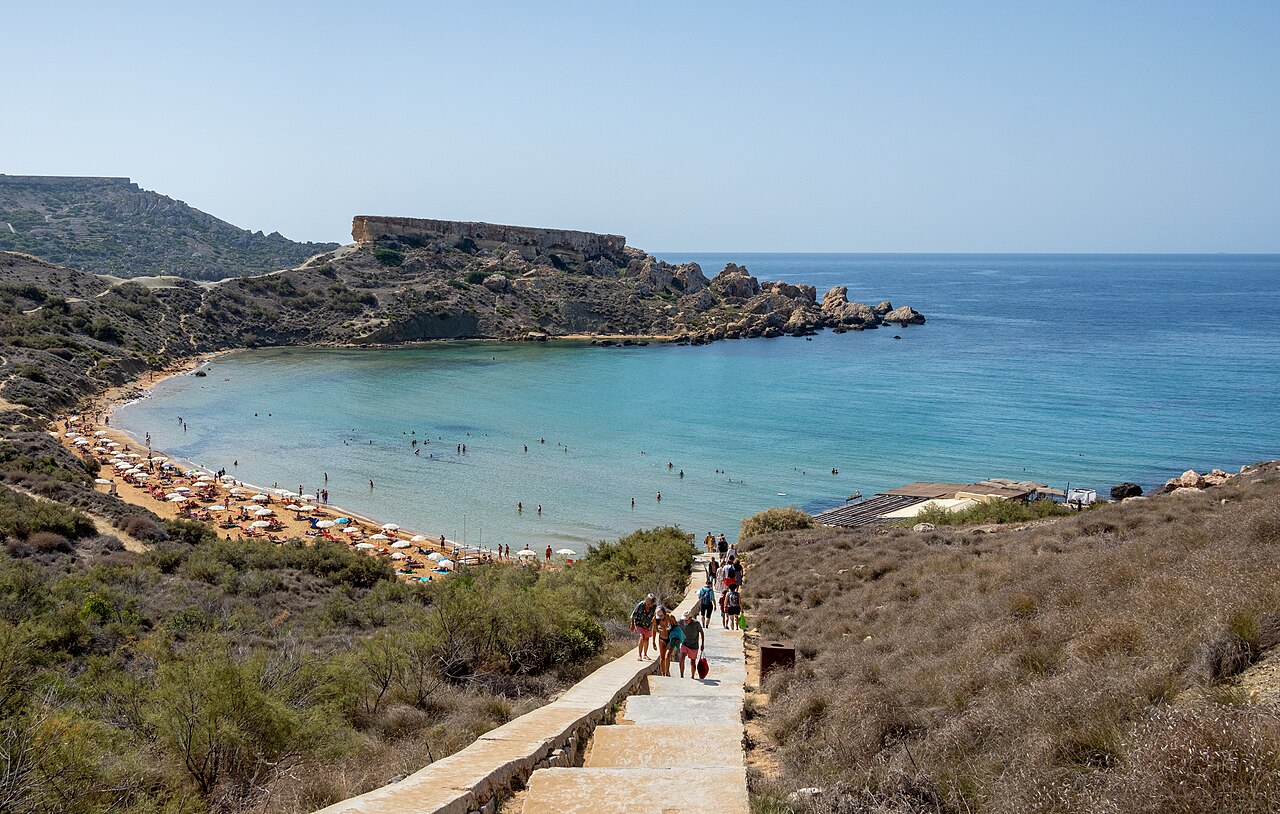
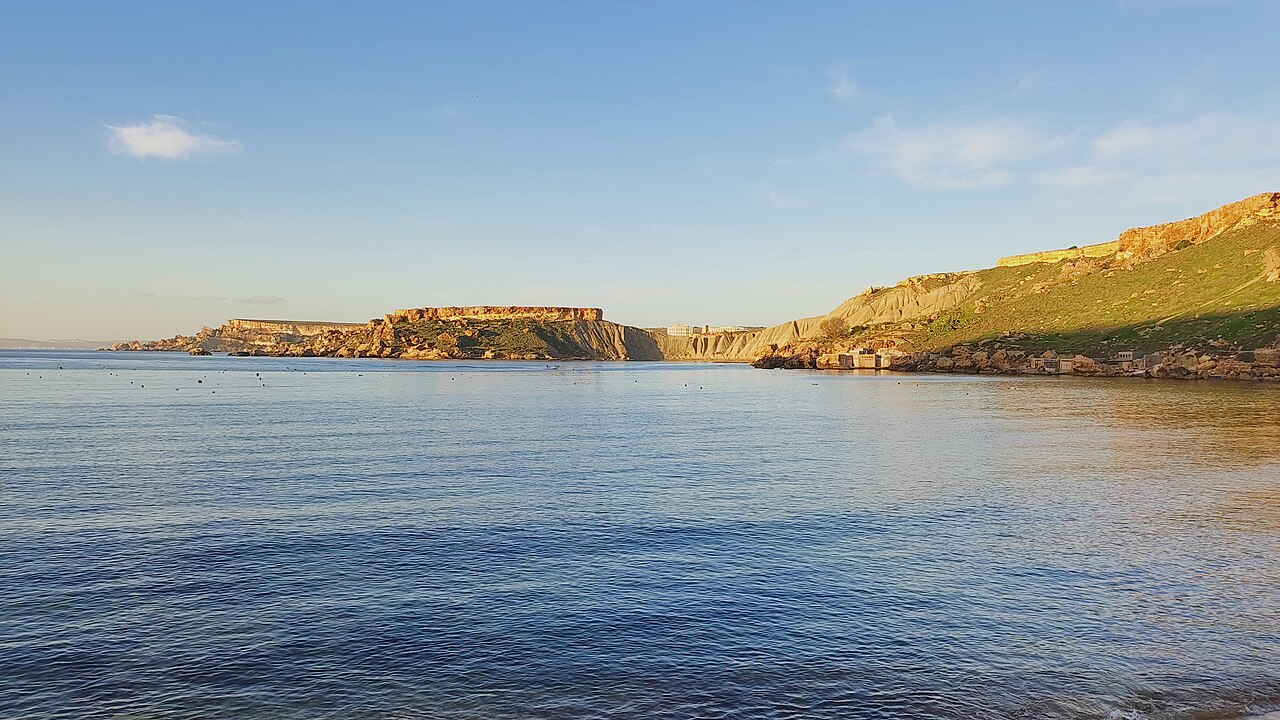
Għajn Tuffieħa Bay
Next to Golden Bay, Manikata.
A quieter and more natural beach surrounded by cliffs. It is reached by a long staircase, but the view and atmosphere are worth the effort. Ideal for those looking to relax.
Gnejna Bay
Mġarr, west coast, just a few minutes from Golden Bay and Għajn Tuffieħa.
Gnejna Bay is a peaceful golden-sand beach surrounded by cliffs and a well-preserved natural setting. Less crowded, it is ideal for those who want to relax away from the crowds.
Trails also start from the beach and run along the cliffs, offering spectacular views of the Mediterranean Sea and combining relaxation with outdoor activities.
What can I see in Malta?
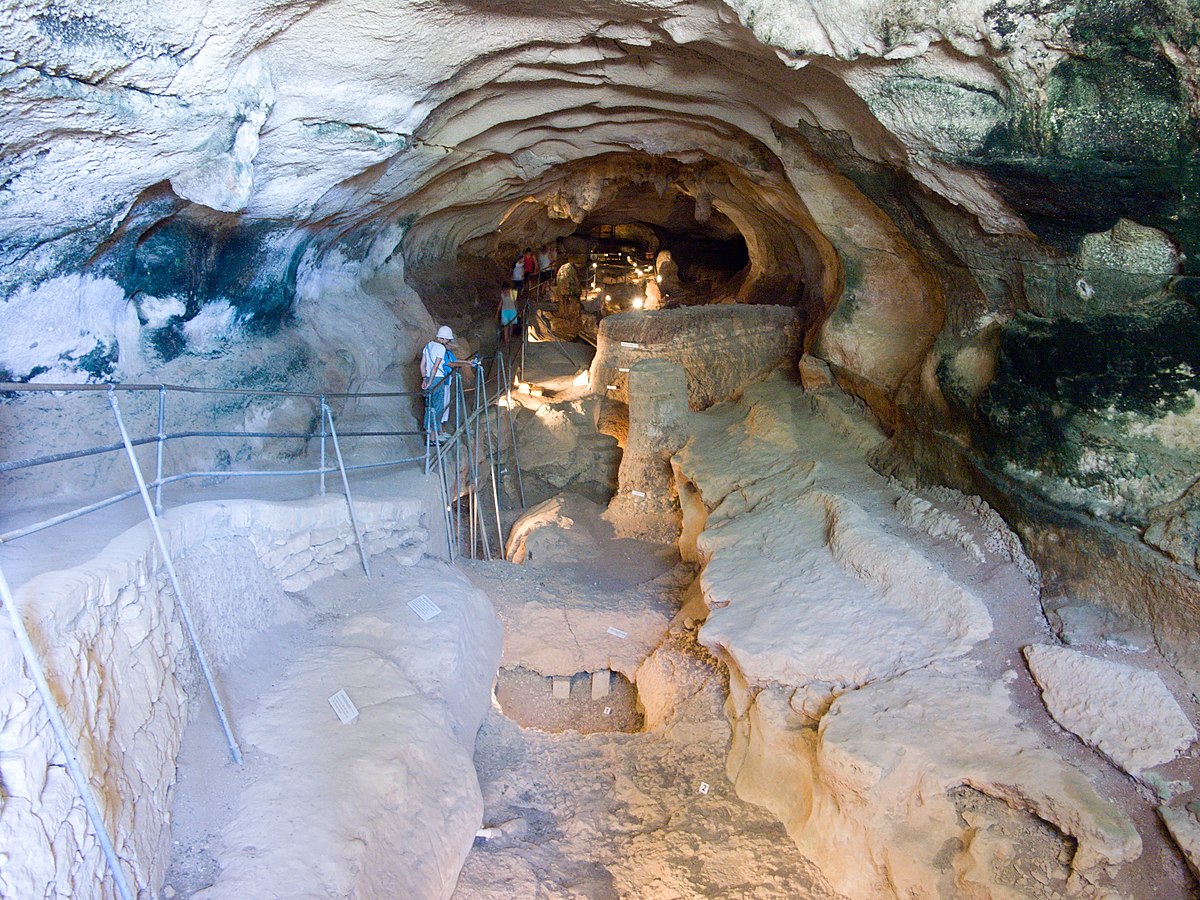
Għar Dalam Cave and Museum
(Birżebbuġa)
Southeast, about a 15-minute drive from Malta International Airport.
Għar Dalam Cave and Museum is one of Malta’s most important archaeological and palaeontological sites. Its name means “Cave of Darkness” and it contains evidence of more than 500,000 years of natural history.
Fossils of prehistoric animals such as dwarf hippopotamuses, dwarf elephants, deer and birds have been found inside, together with remains of the earliest inhabitants of the Maltese Islands.
The museum displays an interesting collection of fossils and archaeological finds that help explain the geological and human evolution of the archipelago. It is a must-see for anyone interested in history and archaeology.
Chinese Garden of Serenity
(Santa Luċija)
South, in Santa Luċija near the airport.
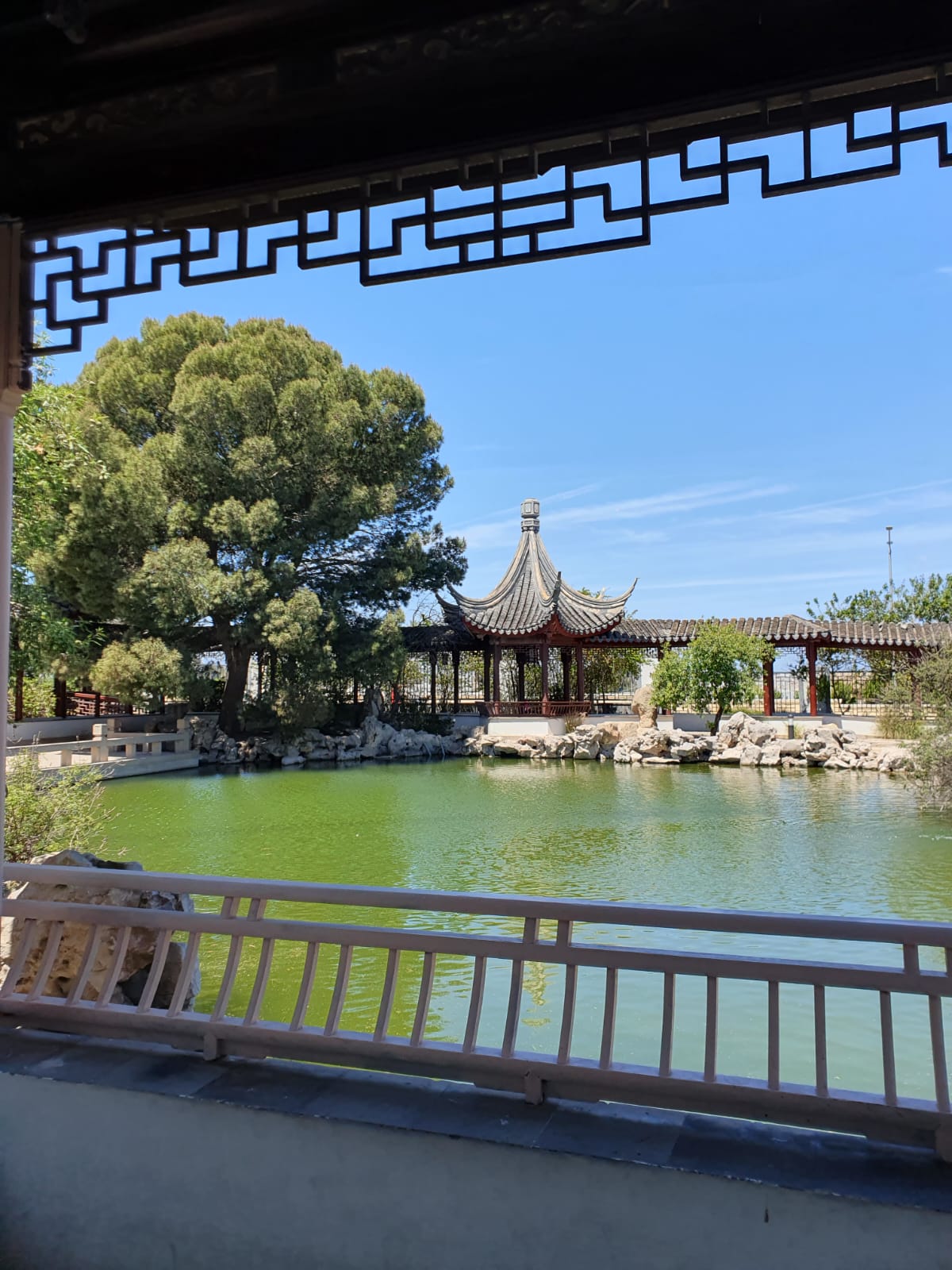
The Chinese Garden of Serenity is one of Malta’s most peaceful and picturesque green spaces. Opened in 1997 as a symbol of friendship between Malta and China, it was designed according to traditional Chinese garden principles.
It features ponds, stone bridges, pavilions and sculptures that invite rest and contemplation. It is an ideal place for a walk, photography and enjoying a relaxed atmosphere away from the tourist crowds.
Its harmonious design represents the balance between nature and architecture, offering a unique cultural experience on the island.
St. John’s Co-Cathedral
(Valletta)
Valletta, Malta’s capital, in the historic city centre.
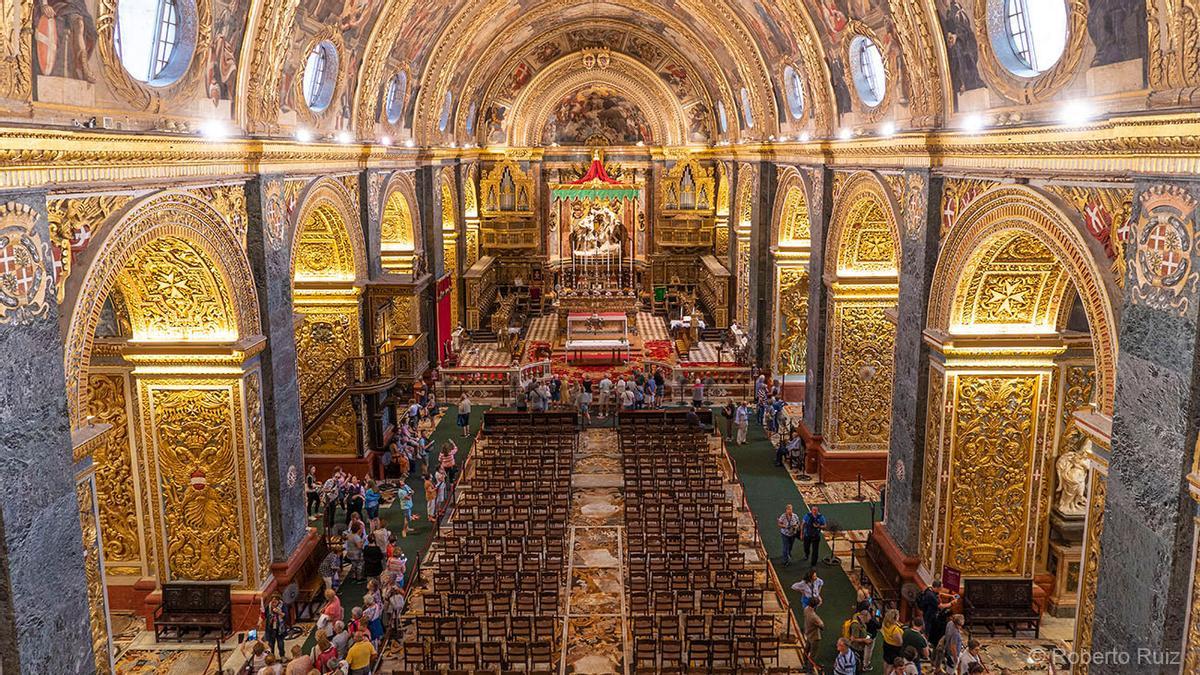
It is one of Malta’s most impressive Baroque monuments and one of Valletta’s essential sights. It was built between 1572 and 1577 by the Order of the Knights of St. John as the Order’s main church.
Its exterior is understated, but the interior is striking for its spectacular Baroque decoration, with coloured marble, gilded details, ceiling frescoes and numerous chapels dedicated to the different langues of the Order.
Inside is one of the masterpieces of the renowned Italian painter Caravaggio, The Beheading of Saint John the Baptist (1608), considered one of his most important paintings.
The Dome
(Mosta)
Mosta, central Malta.
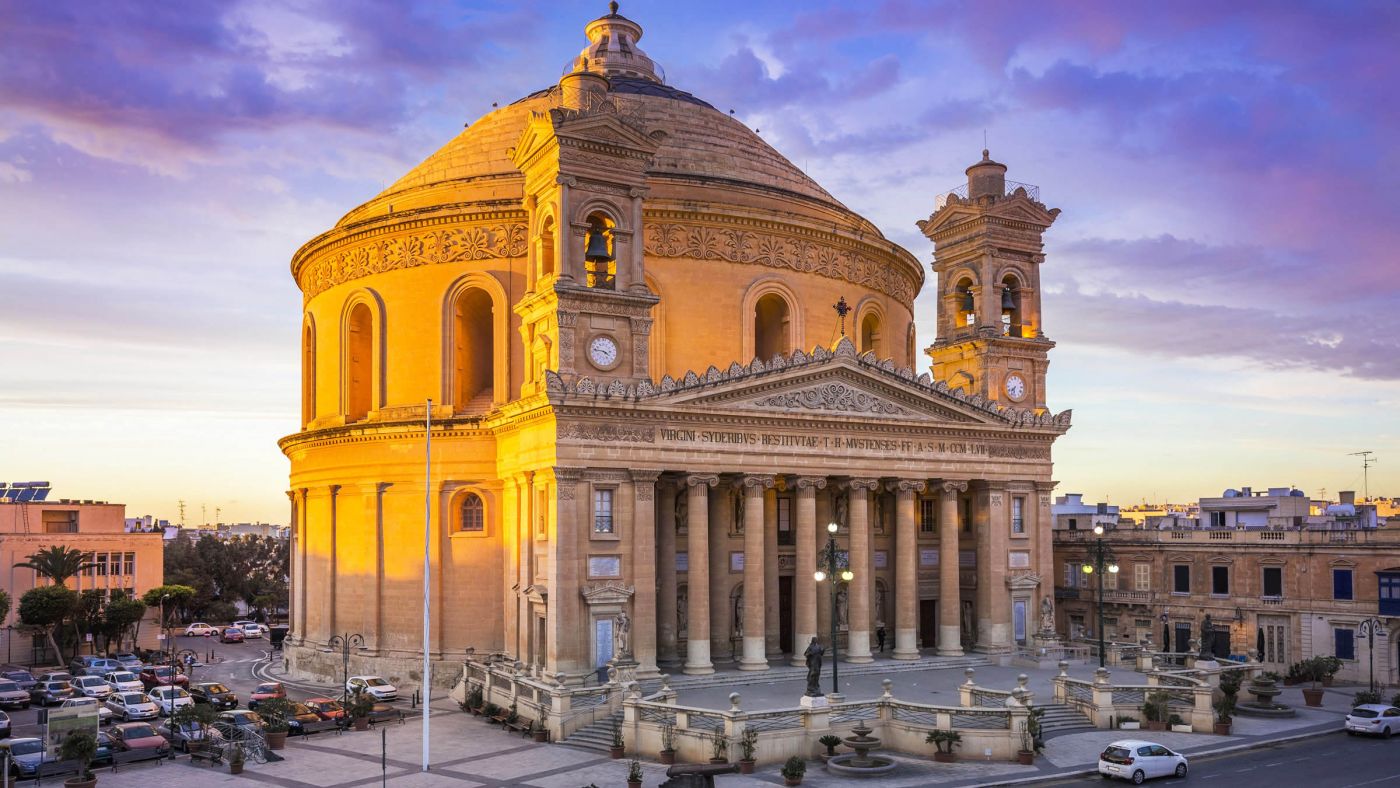
Also known as the Mosta Rotunda, it is one of Malta’s most iconic churches and is noted for having one of the largest unsupported domes in the world. It was built between 1833 and 1860 in the Neoclassical style, inspired by the design of the Pantheon in Rome.
Its most famous historical moment took place during the Second World War, when in 1942 a German bomb pierced the dome during Mass with around 300 people inside but failed to explode, saving the lives of those present. Today, a replica of the bomb can be seen as a reminder of this event.

Blue Grotto
(Żurrieq)
Wied iż-Żurrieq, southwest coast.
Famous for its huge limestone arches, sea caves and intensely turquoise-blue waters. The colour phenomenon is caused by sunlight reflecting off the seabed and creating different shades of blue throughout the day.
The best way to discover this place is on a traditional boat trip. It is also very popular for diving and snorkelling. In addition, the Blue Grotto Viewpoint offers one of Malta’s most photographed panoramic views, especially at sunrise, when the light enhances the colour of the Mediterranean.
Recommendation: A must-see for lovers of nature, photography and unique experiences on the Mediterranean Sea. It can be combined with a visit to the prehistoric temples of Ħaġar Qim and Mnajdra, located very close by.
Marsaxlokk Market
(Sundays)
Marsaxlokk, southeast coast.
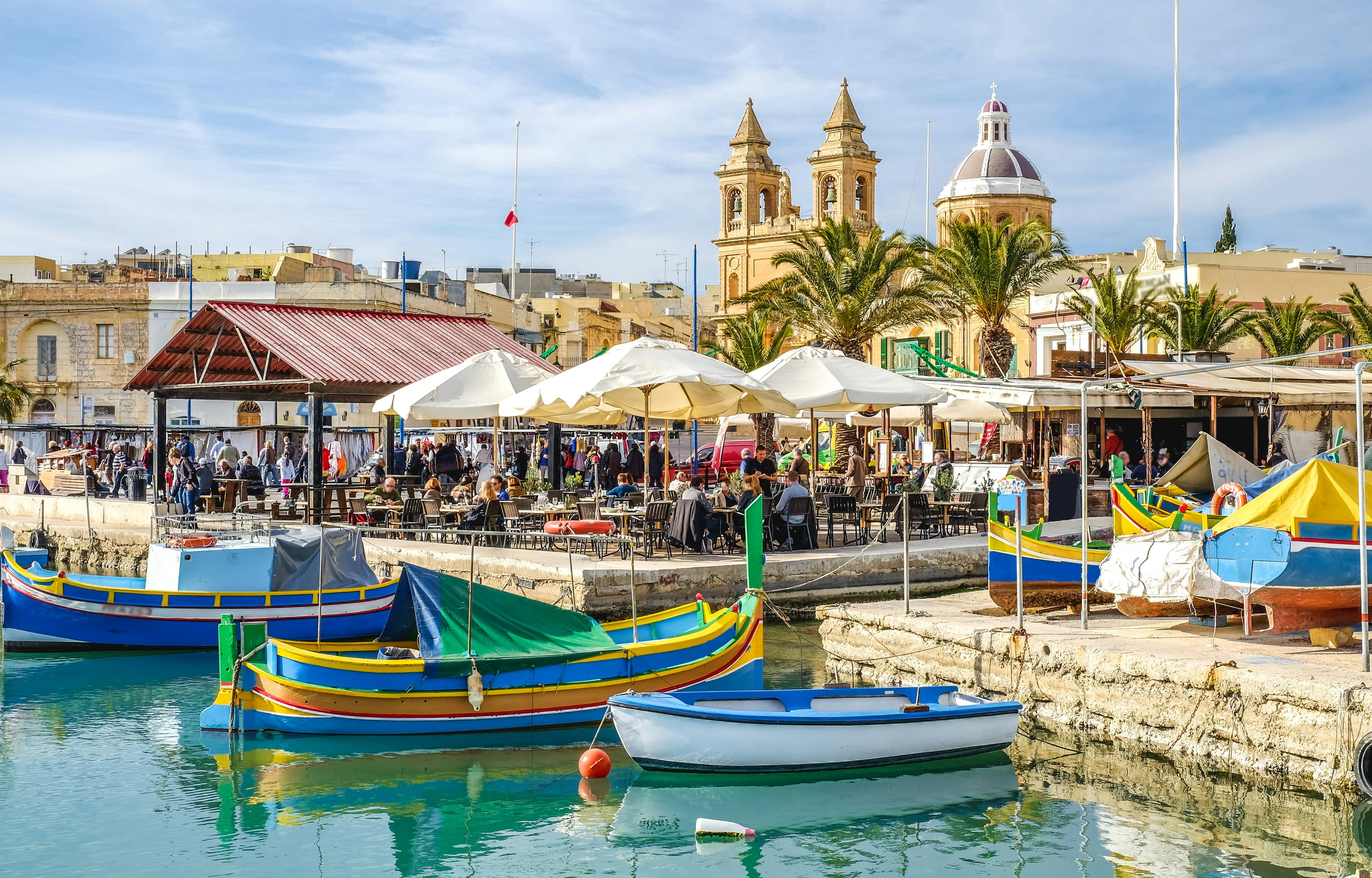
It is one of Malta’s most traditional and picturesque markets, located beside the harbour of this charming fishing village. It is famous for its colourful traditional Maltese boats called “luzzus”, which decorate the bay and create one of the island’s most iconic scenes.
It is an ideal place to experience local culture, enjoy Mediterranean cuisine and stroll along the waterfront with views of the harbour.

St Peter’s Pool
(Marsaxlokk)
Delimara, near the fishing village of Marsaxlokk, in the southeast.
A natural rock pool very popular with people who enjoy jumping into the water and snorkelling. It is not a sandy beach.
Fort Ricasoli
(Kalkara)
Kalkara, at the entrance to Malta’s Grand Harbour, opposite Valletta.
It is one of Malta’s most impressive historic fortifications. It was built between 1670 and 1698 by the Order of the Knights of St. John to protect the entrance to the Grand Harbour and strengthen the island’s defences against possible naval attacks.
Its enormous limestone structure, defensive walls and strategic location offer a glimpse into Malta’s military past, as the island was known for centuries as one of the Mediterranean’s most important defensive positions.
Although much of the fort is currently closed to the public, its exterior remains a place of great historical and architectural interest. It has also served as a location for numerous film productions.

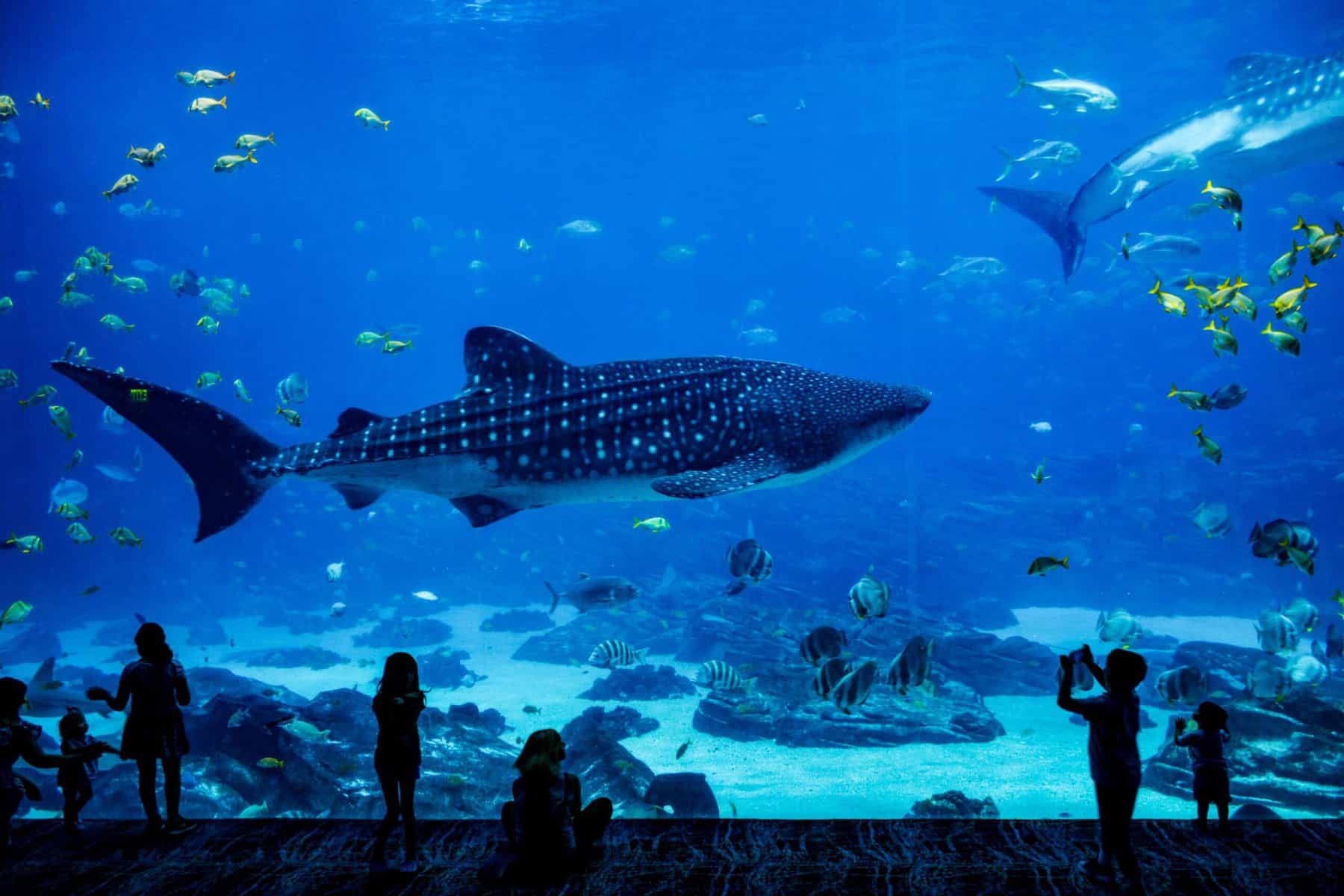
National Aquarium
(Qawra)
Qawra, St. Paul’s Bay, in the north, next to the seafront.
It is one of the island’s most popular family attractions. It has numerous aquariums displaying species from the Mediterranean and different oceans around the world, including tropical fish, sharks, rays and other marine species.
Its large underwater tunnel lets visitors observe marine life from a unique perspective. It also offers educational areas on ocean conservation and environmental protection.
A visit can be combined with a walk along the Buġibba Promenade and panoramic views of the Mediterranean.
The Three Cities
(Senglea, Vittoriosa and Cospicua)
Malta’s Grand Harbour area, opposite Valletta. They consist of Vittoriosa (Birgu), Senglea (Isla) and Cospicua (Bormla).
One of Malta’s most fascinating historic areas. Its narrow streets, fortresses, churches and defensive walls reflect more than 500 years of history, especially the era of the Knights of the Order of St. John.
Vittoriosa (Birgu): The oldest and most visited of the three. Highlights include Fort St. Angelo, medieval streets, historic palaces and the harbour filled with traditional boats.
Senglea (Isla): Famous for its panoramic views of the Grand Harbour from the Gardjola Gardens, one of the best places to photograph Valletta and the ships arriving in the harbour.
Cospicua (Bormla): The largest of the three, known for its impressive defensive walls, historic dockyards and connection with Malta’s maritime tradition.
This is a very authentic side of Malta. It is recommended to explore the cities on foot, enjoy their historic lanes and harbour-side cafés, and take a trip in a dgħajsa, the traditional Maltese boat, to view the fortifications from the sea.

Ħal Saflieni Hypogeum
(Paola)
Paola (Raħal Ġdid), southern Malta.
It is an ancient underground temple and prehistoric burial complex carved into the rock around 4000 BC, considered one of the oldest underground monuments in the world.
The site was used by a prehistoric Maltese civilisation as a religious and burial space. Its chambers, corridors and halls feature unique architecture with details carved into the stone.
Popeye Village
(Mellieħa)
Anchor Bay, Mellieħa, in the northwest.
It was built in 1980 as the set for the musical film “Popeye”, starring Robin Williams. After filming, the village was transformed into a tourist attraction with colourful wooden houses, picturesque streets and spectacular views over the Mediterranean Sea.
Visitors can explore the former film set, meet the characters, enjoy shows and family activities, and take in the panoramic views of Anchor Bay.
